
Table of Contents
Maca (Lepidium meyenii) is a native Peruvian plant growing over 4,000 m (13,000 ft) high in the Andes mountains. Although Peruvian maca root is sometimes referred to as “Peruvian ginseng” due to its energizing properties, it is not a true ginseng.
 Native Peruvians (pre-Inca) have cultivated Maca for at least 2,000 years. It is the only sustainable food crop that can grow in the harsh, cold conditions of the upper Andean plateau.
Maca has the highest nutritional value of any food crop grown at this altitude. And is a staple diet of people living high in the Andes.
Modern Peruvian herbal medicine uses Maca as an immune booster, for anemia, tuberculosis, menstrual disorders, PMS, stomach cancer, sexual dysfunction, and for enhancing memory.
Maca is growing in popularity as a superfood and dietary supplement worldwide. And appears on our List of Nootropics because of its natural ability to boost cognition and memory.
Neurohackers are using Maca to increase energy, athletic endurance, mental clarity, boost libido in men and women, help tame PMS symptoms including mood, and chronic fatigue syndrome.
Here we’ll explore how Maca benefits your brain.
Maca helps:
- Neurotransmitters: Maca contains significant amounts of the amino acids arginine, serine, histidine, aspartic acid, glutamic acid, glycine, valine, phenylalanine, tyrosine, and threonine.
- Endurance & energy: Maca is used by strength and endurance athletes to improve trial performance.[i] Likely due to better energy metabolism and improved antioxidant status.[ii]
- Learning & memory: Natives in the central Peruvian Andes traditionally had their children eat Maca to improve their performance in school.[iii] Likely due to Maca’s ability to boost acetylcholine and act as an antioxidant.[iv]
What is Maca (Lepidium meyenii)?
Maca (Lepidium meyenii) is a Peruvian plant of the brassica (mustard) family and Lepidium genus. It’s closest relative to other plants are rapeseed, mustard, turnip, cabbage, garden cress, and water cress.
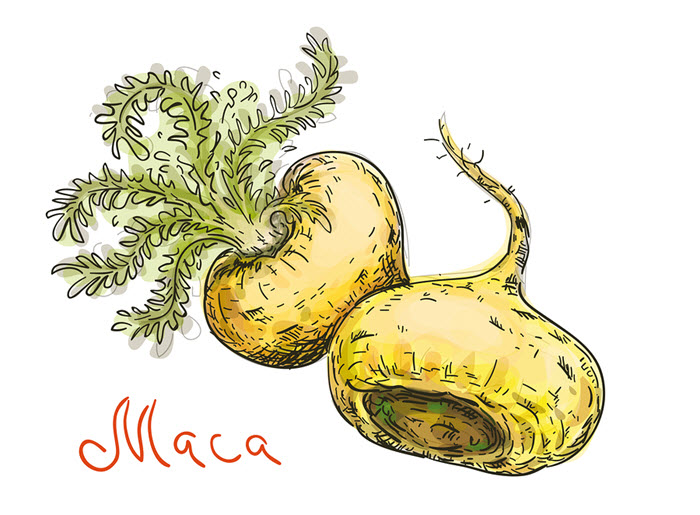 Maca grows naturally and is cultivated above 4,000 m (13,000 ft) in the Peruvian Andes. In a habitat of intense cold, intense sunlight, and strong winds.
Maca has been used for well over 2000 years in the Andes for nutrition, and to enhance fertility in humans and animals. And has gained popularity worldwide over the last few years as a nootropic supplement and for its medicinal properties.
Traditionally, Maca is harvested and dried naturally for long-term storage. The hard Maca is then boiled in water to soften it and often used by the natives as juice.
Maca is abundant in leucine, arginine, phenylalanine, lysine, glycine, alanine, valine, isoleucine, glutamic acid, serine, aspartic acid, histidine, threonine, tyrosine, methionine, and proline.
Maca also contains the minerals iron, calcium, copper, zinc, and potassium.
And Maca contains the metabolites macaridine, macaene, macamides, thiohydantoins and maca alkaloids that are only found in this plant.[v]
Maca comes in three primary colors; yellow, red and black. Clinical studies have revealed that each color of Maca has different concentrations of metabolites. Which likely explains the different biological properties described for Maca.[vi]

Chemical Composition of Maca
Maca root (Lepidium meyenii) is a plant from the cruciferous family. Studies show its chemical makeup changes based on the type of maca, where it grows, and how it gets processed. This matters because different chemical profiles affect how well maca works and whether it’s safe to use.
Researchers have found three main compounds in maca that do the work: macamides, macaenes, and glucosinolates. Clinical trials suggest these compounds help with sexual function, menopause symptoms, and energy levels.
Macamides and macaenes only exist in maca plants. Scientists think these compounds explain why maca works as an adaptogen. Glucosinolates show up in other cruciferous vegetables too. These compounds provide antioxidant protection according to peer-reviewed studies.
Maca comes in three colors – yellow, red, and black. Each color has different amounts of active compounds.
The region where maca grows also changes its chemistry. How manufacturers process the root after harvest affects the final product too. This means maca supplements vary in strength and effectiveness.
More research is needed to standardize how maca may get used in medicine. The plant compounds found in maca now explain why people have used it for centuries and why it still works today.
How does Maca work in the brain?
Maca boosts brain health and function in several ways. But two in particular stand out.
- Maca boosts anandamide. The Maca compound macamide is structurally similar to anandamide, a neurotransmitter that binds to cannabinoid receptors in your brain.[vii]
Anandamide is known as the ‘bliss molecule’ and its name comes from the Sanskrit ‘ananda’ meaning joy, bliss or delight.
Studies have also revealed that Maca acts as fatty acid amide hydrolase (FAAH) inhibitor.[viii] FAAH is known to break down anandamide.[ix]
Researchers think that Maca provides it’s pharmacological effects by prolonging the presence of anandamide in your brain. And possibly binding to cannabinoid receptors. These bioactive effects are attributed to specific maca compounds such as macamides and macaenes, which have demonstrated therapeutic properties in preclinical and clinical studies.
Early studies suggest that maca may influence the pituitary gland, a central endocrine regulator involved in hormone production and stress response, which could help modulate hormonal balance and reproductive function via the HPA and HPG axes.
Which may account for Maca’s ability to boost libido, regulate hormones, regulate metabolism, improve memory and act as an antidepressant.[x] Maca may also support women’s hormonal balance by protecting the adrenals from producing excess stress hormones.
- Maca reduces anxiety & depression. Maca is well-known for boosting libido, sexual function, and reducing anxiety & depression in both men and women. But studies show Maca does this without having a direct effect on hormones.
Researchers at Victoria University in Australia conducted a randomized, double-blind, placebo-controlled trial with 29 postmenopausal women.
The women were given 3.3 g per day of Maca or a placebo for a total of 12 weeks in this crossover trial. Blood samples for estradiol, follicle stimulating hormone (FSH), sex hormone binding globulin (SHBG), thyroid stimulating hormone (TSH), full lipid profiles, glucose and serum cytokines were collected at 6 and 12 weeks. As well as a test to assess the severity of menopausal symptoms.
No differences were found in serum concentrations of hormones from the baseline. But there was a significant reduction in scores for anxiety and depression.
The study concluded that Maca at 3.3 g per day reduced anxiety and depression independent of hormone levels.[xi]
 Antidepressant activity has been shown with all three varieties of Maca; yellow, red, and black.[xii]
Research has not proven this yet, but I speculate that this antidepressant activity including a boost in libido with Maca could be due to some of the amino acids it provides including Tyrosine and GABA. And its antioxidant activity in the brain.
How things go bad
Most of us do not get the phytonutrients from food our body and brain need every day. The nutrients we need that contribute to neurotransmitter synthesis and release, and neuroprotection. Including preventing oxidative damage from free radicals.
A deficiency in these nutrients contributes to:
↑ Chronic inflammation
↑Accelerated aging
↑ High cholesterol and triglycerides
↑ Increased belly fat
↑ Insulin resistance
↑ Mitochondrial insufficiency and dysfunction
↑ Neurodegeneration
Maca is unique in the number and quantity of amino acids, and metabolites found only in this plant that supports mood, learning and memory, sexual well-being and overall health.
Maca benefits
Maca has been used as a staple food source by the native Inca and pre-Inca of the Central Peruvian Andes for thousands of years. Sometimes referred to as Peruvian ginseng due to its adaptogenic and health-promoting properties, maca is not a true ginseng but shares similar traditional uses.
 The Inca first domesticated the plant over 2,000 years ago. And in 1553, Spanish conquistador Cieza de León recorded the first written description of Maca use.[xiii]
Maca is rich in calcium, copper, Vitamins B1, B2 & B6, Vitamins C, iron, iodine, manganese, niacin, potassium, zinc, 20 different fatty acids (including linolenic, palmitic, and oleic acids), and 19 amino acids (including leucine, arginine, phenylalanine, histidine, threonine, tyrosine, and methionine), choline and GABA.
Maca also contains macamides and the alkaloid macaridine which are unique to this plant.
The Inca used Maca to boost energy and endurance, treat sexual dysfunction in men and women, support the immune system, tame menopause symptoms, menstrual issues, help memory and cognition, and even some cancers. Maca has also been traditionally used to support male fertility.
Research suggests maca may help improve sexual health by supporting a healthy sex drive, increasing sexual desire, and improving erectile function. Studies have shown that maca supplementation can benefit men with mild erectile dysfunction, leading to subjective improvements in better erections and overall sexual wellbeing.
There is also evidence of a significant difference in sexual desire and libido in both men and women after maca supplementation.
Maca may support women’s hormonal balance by protecting the adrenals from producing excess stress hormones.
For menopausal and perimenopausal women, maca has shown potential to alleviate mood swings and hot flashes and may help support bone health during menopause by counteracting bone density loss associated with hormonal changes.
The macamides in Maca boost anandamide levels which increases mood and feelings of happiness.
Maca reduces hemoglobin which contributes to Chronic Mountain Sickness.
Maca protects against oxidative stress and free radical damage to brain cells.
Maca improves libido, sperm count and mobility, decreases anxiety & depression, lowers elevated blood pressure, increases energy levels and stamina, reduces PMS symptoms including improved mood, seems to boost cognitive function and memory, and reduces enlarged prostate.
In fact, studies on benign prostatic hyperplasia (BPH) have found that maca hydroalcoholic extract can decrease prostate stromal mass, inflammatory cell infiltration, and cytokine levels, indicating its potential role in managing BPH and inflammation.
The optimal dosage of maca root powder used in studies generally ranges from 1.5 to 3 grams per day, which has been associated with a significant difference in various health outcomes.
Maca truly lives up to its “superfood’ label and may be considered an adaptogen.
Anti-Fatigue Effect of Maca
Maca root reduces fatigue. People in Peru’s mountains have used this plant for hundreds of years to fight tiredness and boost energy. Clinical studies now confirm what these communities knew.
Research published in Evidence-Based Complementary and Alternative Medicine shows maca supplementation improves exercise performance.[xiv] Other studies in pharmaceutical journals demonstrate it reduces oxidative stress and supports how cells make energy.
Maca works by helping cells produce more ATP. ATP is the main energy source your body uses. When you take maca, it supports the mitochondria – the parts of cells that make energy.[xv]
A study in the Journal of Ethnopharmacology found maca helps energy metabolism work better. The plant also contains antioxidants that protect muscle tissue. This protection means less muscle damage during exercise. Users report feeling less tired after physical activity and recovering faster between workouts.[xvi]
Athletes use maca to improve performance. People with daily fatigue also take it. The supplement comes from a plant, so many consider it safer than prescription meds. Clinical trials show maca helps people maintain physical activity for longer periods.
Users describe feeling more resilient during their day. The effect builds over time with regular use rather and may be a healthier option compared to the instant energy you get from something like caffeine.
Cardiovascular Health Benefits of Maca
Research evidence suggests maca root helps your heart. Studies found that people who take Maca it reduces blood pressure. Their cholesterol levels improve, and less risk of blood clots forming.
Maca has been used by people in Peru for over 2,000 years. They knew it made them feel stronger. Today recent clinical studies show one of the health benefits of Maca is that it works on your heart too.
Scientists are learning how maca supports the health of the lining of your blood vessels and helps them function properly. Maca helps your body make more nitric oxide. Which then dilates your blood vessels so blood flows easier.
Clinical trials also show maca also contains antioxidants. These protect your heart from damage that can lead to heart disease.
How does Maca feel?
Maca has a unique smell that some find unpleasant. So if the smell offends you, I recommend doing what I do and make your own capsules. Or hide your Maca in a smoothie or juice. Black or Red Maca root powder can also be added to smoothies, oatmeal, baked goods, and energy bars, making it easy to incorporate into your daily routine.
Many people choose a maca supplement instead of powder for convenience and easier accurate dosing. When taking maca, it’s important to be consistent because most research suggests it may take 8 to 12 weeks of daily use before you notice benefits.
 Supplementing with Maca should increase your energy levels. But not with the same rush you’d get from coffee or an energy drink. Instead, it feels more like you just woke up from a great night sleep.
Many find that their stamina is better and their performance in any sport gets a boost with Maca.
Some report using Maca provides an increase in libido, and a noticeable reduction in PMS symptoms. The reproductive health claims are one of the Maca benefits that are increasing the popularity of this Peruvian maca root supplement.
Supplementinig with Maca has also shown to help with antidepressant induced sexual dysfunction. it can also improve seminal quality in men.
Younger neurohackers report less acne when using Maca. They’re more productive and everything just seems easier.
Older biohackers find that using Maca provides the energy boost they’re looking for. Without any anxiety or jitters, and no blood pressure issues.
If you are unfortunate enough to live in cold climate, Maca may help you combat the winter blues.
Your overall mood should be more upbeat and positive when using Maca as a nootropic supplement.
And using Maca daily keeps you regular. The bottom-line is Maca offers a ton of potential health benefits.
Maca Clinical Research
Much of the research that has been promoted in the press has been done by a couple of supplement manufacturers. Attempting to promote Maca as an aphrodisiac and testosterone booster.
While it’s true that Maca boosts libido in many people it has no direct effect on hormones including testosterone. Most research on maca supplementation (oral administration) needs to be done in various dosages and formulations to assess its safety after long-term use, and biological effects.
The most trustworthy research has been done at Peruvian University. But most of it is done with animals. While helpful, you should read the studies closely and carefully to learn how Maca works in your brain and body. More recent research published as a systematic review based on placebo controlled clinical trials from international journals highlighted maca’s potential benefits for menopausal symptoms.
Maca consumption has also been linked to an increase in serum urea nitrogen levels in some studies. It is important to note that maca’s long-term effects are not well studied because most research has focused on short-term use.
While helpful, I suggest reading the studies closely and carefully to learn how Maca works in your brain and body.
The bottom-line will always be how well this nootropic supplement works for you.
Maca improves cognition
A study was conducted at Peruvian University to determine the effects of Yellow, Red and Black Maca on cognitive function and depression. The subjects were mice.
The animals were treated for 21 days in four groups; control, Yellow Maca, Red Maca, and Black Maca. Learning and depression were assessed during the study.
The study concluded that Black Maca was better as improving cognition and learning. All varieties of Maca showed antidepressant activity.[xiv]
Maca improves mood
A randomized, double-blind, placebo-controlled, crossover trial study was conducted at Victoria University in Australia with 14 women after menopause.
The women used 3.5 g per day of powdered Maca or a placebo for 12 weeks. Blood samples were analyzed for estradiol, follicle-stimulating hormone, luteinizing hormone, and sex hormone-binding globulin. And the women were assessed for severity of menopausal symptoms, including hot flashes and mood swings.
No differences were seen in the hormone tests. However, researchers found that the women experienced a significant reduction in anxiety, depression, hot flashes, and mood swings while using Maca. Which was independent of estrogenic and androgenic activity, as stated in a systematic review published in an international journal.[xviii]
At weeks 8 and 12, Red Maca improved mood in around 80% of subjects.
At week 12, more than 90% of the subjects consuming Red Maca manifested an increase in energy.
Maca may also support women’s hormonal balance by protecting the adrenals from producing excess stress hormones, and it has potential to support bone health during menopause.
Another study with 175 people was conducted at Peruvian University who were given 3 g of either a placebo, Black or Red Maca daily for 12 weeks.
Half of the volunteers lived at low altitudes and the other half at high altitudes. Consumption of extracts of Red and Black Maca resulted in improvement in mood, energy, health-related quality of life scores, and Chronic Mountain Sickness.
The study found that effects on mood, energy and Mountain Sickness were better with Red Maca.[xix]
Maca improves quality of life
The Health-Related Quality of Life (HRQL) questionnaire is universally used to assess things like physical, mental, emotional, and social functioning.
In other words, it assesses the positive aspects of a person’s life, such as positive emotion and life satisfaction.
A study conducted at Peruvian University with 50 subjects living 4,000 m (13,000 ft) above sea level in the central Peruvian Andes. Half the participants were Maca consumers and the other half did not use Maca.
The study was done with people living at a high altitude because of the prevalence of chronic mountain sickness (CMS).
Living at high altitude is associated with increased hemoglobin levels which in turn produces oxidative stress measured by the inflammatory marker interleukin-6 (IL-6).
Elevated IL-6 has been associated with aging, obesity, increased incidence of heart disease, and cognitive impairment.[xx]
The researchers concluded after conducting the HRQL survey that consumption of Maca resulted in higher health status scores. And lower chronic mountain sickness (CMS) scores.[xxi]
Maca decreases SSRI-induced sexual dysfunction and supports sexual health
One of the major side effects of taking SSRIs for treating depression is sexual dysfunction and reduced libido, including issues such as erectile dysfunction and decreased sexual desire.
Researchers in the psychiatry department of Massachusetts General Hospital decided to see if they could figure out a way to counteract this problem.
The team conducted a double-blind, randomized study with 20 depressed (mostly) female patients (mean age 36 years) who were experiencing SSRI-induced sexual dysfunction.
The subjects were given either 1.5 g or 3 g of Maca per day for the duration of the study. The researchers found that the high dose group (3 g/day) had a significant improvement in relief from sexual dysfunction, with a significant difference observed compared to the lower dose group. Improvements were noted in both sexual desire and, and better erections in men.
The study concluded that Maca root may alleviate SSRI-induced sexual dysfunction, and there may be a dose-related effect. Maca may also have a beneficial effect on libido and improve erections in men .[xxii] Maca has been traditionally used to support male fertility.
Maca Recommended Dosage
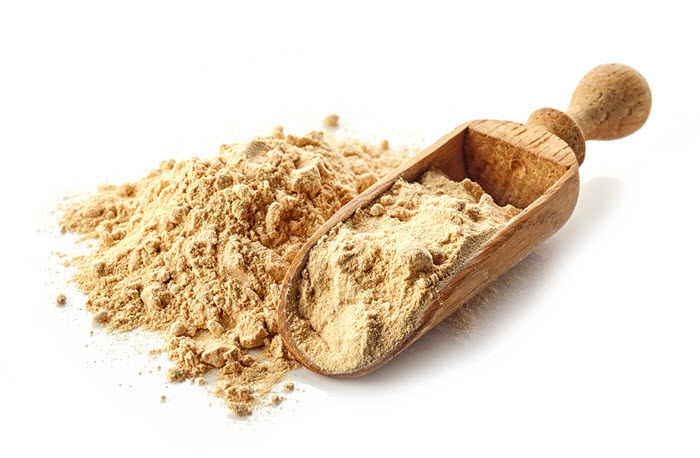 Recommended dosage of Maca for cognitive benefit is up to 5 grams per day.
And like most nootropics, more does not work better. Too much Maca will upset your stomach.
Maca Side Effects
Maca is generally considered safe, with rare adverse effects reported, and is non-toxic at recommended doses.
Higher doses of Maca can cause intestinal gas.
Raw Maca (not gelatinized) contains high amounts of glucosinolates which can cause problems if you have thyroid issues (i.e. hypothyroid).[xxiii]
No drug interactions or contraindications have been reported.
However, maca’s safety during pregnancy or breastfeeding is not well established. Individuals with hormone-sensitive conditions should consult a healthcare professional before using maca.
Fatty Acids and Nutrition in Maca
Maca root contains several fatty acids that your body needs. These include linoleic acid, oleic acid, and palmitic acid. Research shows these fatty acids help maintain skin and hair health. They also support heart function.
Maca provides amino acids, vitamins, and minerals that work with these fatty acids. Studies have examined how these compounds affect health in various ways.
Maca root helps repair muscle tissue and support hormone production. The root contains calcium, iron, potassium, and zinc which your body requires for daily function.
Maca also contains fiber that helps with digestion and regular bowel movements. Clinical trials continue to look at how these nutrients work in the body.
Supplement makers use maca root in products designed for reproductive health and energy support. The combination of fatty acids, amino acids, and minerals provide what many users report as general wellness benefits.
The historical use of Maca found in old reports shows people have consumed maca for centuries. Modern research continues to examine how the nutritional components found in Maca function when it’s taken as supplement.
Type of Maca to Buy
Maca is available as a powder, capsules, flour, liquor and extract.
As a nootropic supplement it is typically used in powder form dissolved in water or a smoothie, or in capsules.
In general, Maca is available as dehydrated raw or dried powder, or gelatinized Maca powder.
Maca is gelatinized by boiling and pressurizing the raw material to remove fiber and make it easier to digest.
Maca is traditionally cooked by the Andean people. So gelatinized Maca works best for nootropic benefit. Ignore any advice that claims raw Maca is best. It’s just not true.
Maca is available in Yellow, Red or Black and each provides unique benefits. Black Maca has been shown to boost learning and memory. And all three types of Maca provide antidepressant benefits.
The purest Maca comes from high in the Andes of Peru. “Certified organic” is a bit of an oxymoron because all Maca grown in the Peruvian Andes is organic naturally.
Beware that Maca is also popular now in China and some Maca for export comes from that country. And should be avoided.
Black Maca
Black maca is one of three maca root varieties. You can tell it apart by its dark color and higher levels of certain plant compounds. Studies show black maca supports male fertility and exercise performance more than other maca types.
Clinical trials demonstrate black maca improves semen quality and sperm count in men. A 2023 study published in the World Journal of Men’s Health found men taking black maca for 12 weeks showed increased sperm concentration and motility. These benefits come from macamides, and other compounds found in Black Maca that influence hormone levels and reproductive function.[xxiv]
Black Maca also reduces fatigue during exercise. Research in the International Journal of Biomedical Science showed Black Maca supplementation improved cycling performance and reduced fatigue markers. Athletes use it to maintain energy during training.[xxv]
Indigenous people in the Andes have used maca roots for over 3,000 years to support stamina and fertility.
Today, people take Black Maca supplements for reproductive health and exercise endurance. The research is ongoing, but current studies support its use. Clinical evidence shows Black Maca works through specific biochemical pathways rather than simply boosting energy levels.
Nootropics Expert Recommendation
 Maca up to 5 grams per day
I recommend using Maca as a nootropic supplement.
Your body does not make Maca on its own. So to get its benefits you must take it as a supplement.
Maca can be particularly effective as an energy booster. And helps increase athletic endurance.
Maca may provide an increase in libido, and a noticeable reduction in PMS symptoms including better mood.
Supplementing with Maca is a great way to beat the winter blues.
And for many neurohackers, your overall mood should be more upbeat and positive when using Maca as a nootropic supplement.
Most clinical studies with Maca showed positive results with 3 g of Maca per day. You can and likely should use up to 5 g per day for cognitive benefit.



Join The Discussion - 72 comments
Dick trickle
March 20, 2025
I purchased some Kanna maca capsules from healing herbals and I my sex drive is insane. My names dick but my wife’s been calling me Hammer . I can’t believe how much my sex drive has increased in the matter of hours thank god for this because I was about to contact my doctor about that lil blue pill.
Hristo
August 14, 2023
Hello David, recently I found articles that are saying that Maca can be dangerous due to stimulating estrogen signaling in prostate cancer cells. What is your opinion on that.
Article links:
1. https://www.mpc.ms-editions.cl/index.php/mpc/article/view/64
2. https://pubmed.ncbi.nlm.nih.gov/33560149/
David Tomen
August 15, 2023
Hristo, interesting studies. But they were only done in a petri dish and not humans. I’ve not seen anything related to Maca and cancer in humans. On the other hand, if you have or had breast or prostate cancer you may want to avoid using Maca until more is known about these effects.
Hriso
August 17, 2023
I am a healthy male in mid 20s. Do i have to be worried about these statements or I can take maca with no worries. Thanks for your time.
David Tomen
August 21, 2023
Do you have prostate cancer? If not then you don’t have anything to worry about.
wayne
September 25, 2024
Hi sir David. May I ask for the brand you are using? I want to make sure that what I use would be effective.
David Tomen
September 26, 2024
Wayne, one of the most trustworthy companies in this space: https://geni.us/4aGwdZ
June
March 8, 2023
Hi David.
I can’t seem to find anywhere online if it is safe or a good idea to combine Maca with rhodiola? And also can you combine Valerian or skullcap with either Maca or rhodiola or with both of these. It seems I may have longstanding borderline personality disorder. Any thoughts or help with this would be much appreciated. Thank-you.
David Tomen
March 8, 2023
June, you can’t find it because no one wants to pay the billions of dollars required to conduct the clinical studies.
The best thing I can suggest is become very familiar with how each of the supplements you want to try – how they work. Is there any synergy between them? Do any of them share the same mechanism of action? Or is each one different in how they work in your brain? You can learn this be closely reading my research as well as other clinical studies published online.
A “personality disorder” is much too vague to know what to recommend. I’m happy to do a consultation with you if you prefer.
Aleksander Narodowski
December 7, 2022
Hi David!
I just want to say, I hope my anegdote will help someone with anhedonia. Today I took 4 capsules of 10:1 600mg MACA (about 24g of MACA) and my anhedonia is gone! FAAH inhibitors help to increase dopamine in reward center and control oxytocin, for the first time in 5 years I’m able to get goosebumps from listening to my favorite music. I suffer form PSSD, 1 month on SSRI made me unable to cry and feel anything when I hug my family, now everything changed.
https://pubmed.ncbi.nlm.nih.gov/16805835/
https://www.ncbi.nlm.nih.gov/pmc/articles/PMC4653148/
I tried to attempt other things before to heal anhedonia
1. Serotonin boosters like KANNA, tryptophan during day helped me remove stress and made me a little more emotional (possibly due to serotonin modulating properties on oxytocin)
2. Dopamine boosters helped with motivation but it was anticipatory pleasure, not consumatory pleasure. Ritalin for example made my emotions worse.
3. Opioid boosters (enkephalinase inhibitors and antagonists) like low dose naltrexone, D-Phenylalanine, Rhodiola, Semax/Selank made my anhedonia a little better but it was weak. Opioid receptors play important role in satisfaction from doing things:
https://www.nature.com/articles/srep41952 (normal naltrexone dose induced anhedonia by blocking opioids)
4. I believe in FAAH inhibitors/Cannabinoids MACA, Oleamide, EGCG, CBG as it made the most pronouced difference in my case 🙂
thank you!
Aleksander Narodowski
December 7, 2022
I would also want to add,
5. NMDA antagonist didn’t work for me, I thing glutamate is crucial for firing dopamine in NAcc. Nactyl-l-cysteine and magnesium which mostly control glutamate in inhibitory way (there are hundreds of people on longecity and reddit to confirm this) made me more numb,
Also lithium orotate made me enable to experience highs and lows so I wouldn’t recommend it someone who want to feel everything more.
6. Testosterone boosting suplements also numbed me (I was lacking apathy and was very confident, mans don’t cry right? 🙂
Estrogen will help to feel emotions if someone is low in it. Womans are naturally more emotional.
For me Nootropicsexpert website was the best introduction into nootropics and how to live my life. Thank you!
David Tomen
December 10, 2022
Thank you for sharing Aleksander.
Alistair
May 18, 2023
Hi Aleksander. Is using faah inhibitors like maca still working for your anhedonia?
James
October 15, 2022
Hey Dave,
Just wanted to ask about the three different colours of Maca, especially as you say that “each provides unique benefits”.
Just wondering what those particular unique benefits are for the Yellow, Red, and Black forms of Maca?
Or even which colours are best for particular purposes; e.g. “x colour is best for mood, libido, anxiety, depression, stress, energy, etc”?
Is there a particular colour out of the three you believe is “best” in an overall general sense?
Thanks 🙂
David Tomen
October 22, 2022
James, scroll back up and read the all the clinical studies under the sub-heading “Maca Clinical Research” and you’ll get your answer.
Kevin
October 13, 2022
Hi David – Im planning to take Maca powder (5g) to increase energy and libdo. Curious if my body will build tolerance if I consume it everyday or should I cycle it on a weekly basis (ie only consume it on Wed-Sun and off it on Mon-Wed)?
David Tomen
October 14, 2022
Kevin, the Inca used Maca every day and didn’t take a break. Otherwise, they’d starve. Maca is considered a superfood because of all the nutrients and amino acids it contains. You body will choose what to use from Maca and expel the rest.